Kyoto's Living Cedar: Architectural Rhythm of Machiya
By Editorial Desk • Published October 4, 2024 • Kyoto, Japan
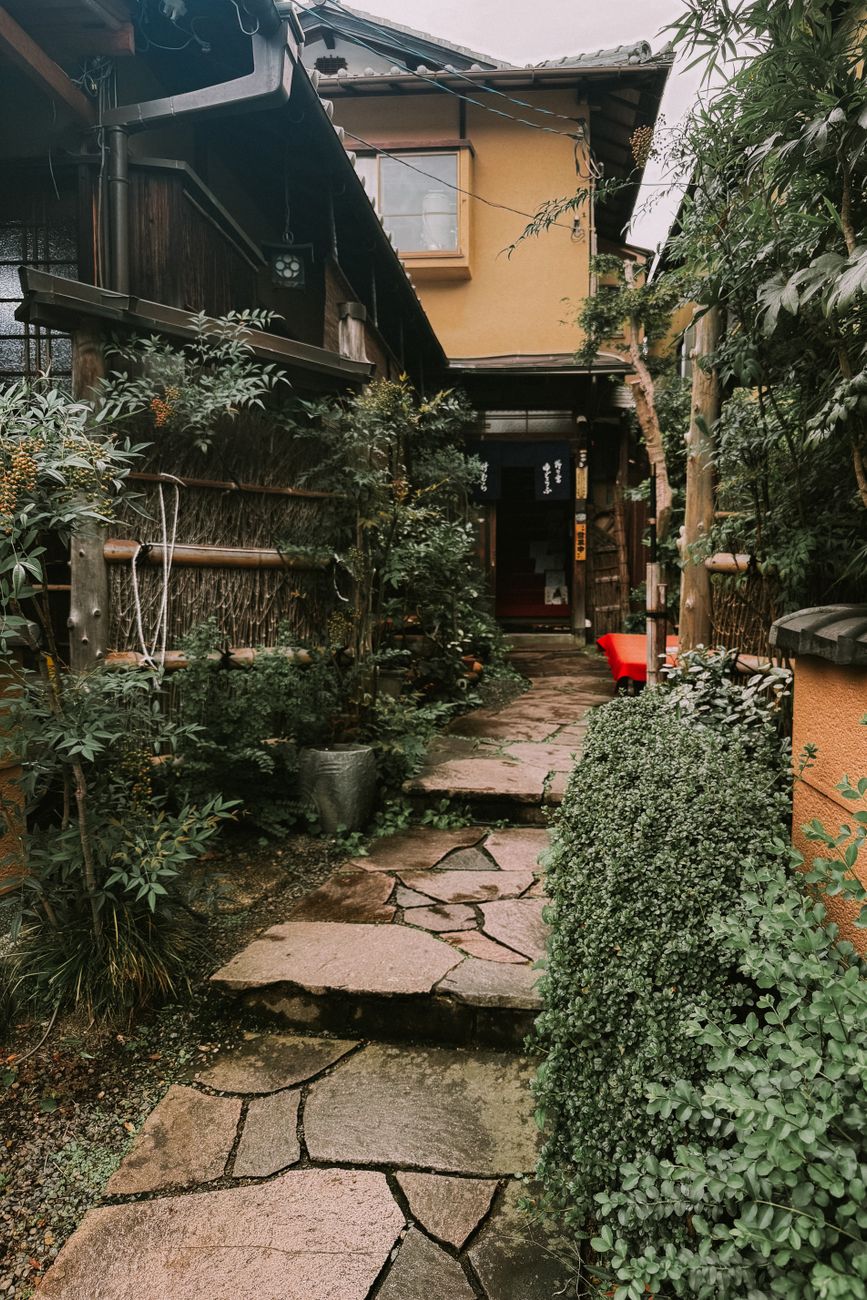
Behind narrow latticed timber facades along the alleys of Nishijin lies an architecture tuned to damp autumn mornings and delicate paper shadows.
Kyoto’s traditional townhouses, known as machiya, represent one of the world's most sophisticated vernacular architectural forms. Built entirely without metallic nails, their interlocking post-and-beam joinery permits flexibility during earth tremors and natural ventilation during the humid summer months.
The Poetry of Tsuboniwa
Central to every preserved machiya is the tsuboniwa—a tiny enclosed courtyard garden measuring just a few square mats. Here, moss-covered stone lanterns, dwarf maples, and bamboo water spouts bring the changing forest directly into the domestic hearth.
We met with master artisan Kenji Morimoto, who has spent four decades restoring these historic residences into quiet creative sanctuaries. "A house made of cedar and clay never dies," he explains, smoothing a hand over a hand-planed column. "It merely breathes in rhythm with the seasons."
Mindful Hospitality
Staying in a faithfully restored machiya teaches the traveler an unhurried choreography. Sliding shoji screens blur the boundaries between interior and exterior; the subtle fragrance of freshly woven tatami mats encourages reflection; and the gentle sound of rainwater dripping into a granite basin provides the only necessary soundtrack.
Experience Authentic Kyoto Sanctuaries
111111 maintains direct relationships with heritage machiya curators and traditional tea masters.
Inquire About Kyoto Residencies